

Many South African homeowners are installing boreholes to reduce reliance on municipal water. With rising tariffs and periodic water restrictions, groundwater provides a reliable alternative for household use, irrigation, and emergency supply.
However, before drilling begins, a common question arises:
Do you need a permit to drill a borehole in South Africa?
The answer depends on how the groundwater will be used. While most residential boreholes do not require permits, certain uses may require approval under the National Water Act 36 of 1998, which is administered by the Department of Water and Sanitation.
This guide explains the regulations, when permits are required, and what homeowners need to know before drilling.
Understanding Borehole Regulations in South Africa
Groundwater in South Africa is considered a national resource, meaning it is regulated to ensure sustainable use.
The Department of Water and Sanitation manages water resources under the National Water Act 36 of 1998.
These regulations exist to:
- protect underground aquifers
- prevent over-extraction of groundwater
- ensure fair access to water
- reduce environmental damage
Fortunately for homeowners, the law allows reasonable domestic groundwater use without complex licensing.
Do You Need a Permit for a Residential Borehole?
In most cases, you do not need a permit to drill a borehole for private residential use.
South African water law allows property owners to use groundwater for reasonable domestic purposes without requiring a water use licence.
Typical household uses include:
- household water supply
- garden irrigation
- filling swimming pools
- washing vehicles
- small-scale domestic use
As long as the water is used only on the property where the borehole is drilled and is not sold commercially, a permit is usually not required.
However, there are several situations where licensing or approval may be necessary.
When a Borehole Permit May Be Required
A permit or water use licence may be required if the groundwater is used for larger-scale or commercial purposes.
Commercial Water Sales
If groundwater is sold or distributed commercially, a licence may be required.
Examples include:
- selling water to neighbouring properties
- water bottling operations
- commercial water supply businesses
Agricultural Irrigation
Large-scale farming operations that rely heavily on groundwater may need a water use licence to ensure aquifers are not over-exploited.
Industrial or Business Use
Businesses using groundwater for operations may also require licensing.
Examples include:
- factories
- food processing plants
- commercial developments
High Volume Extraction
Very high groundwater extraction rates may require monitoring or approval from the Department of Water and Sanitation.
Municipal Borehole Registration
Even when a national permit is not required, some municipalities require boreholes to be registered.
Major cities such as Cape Town and Johannesburg have introduced borehole registration policies.
Municipal registration helps authorities:
- monitor groundwater usage
- manage drought conditions
- protect aquifers
Registration usually requires:
- submitting a borehole registration form
- providing location details
- reporting pump capacity
In most cases registration is free or low cost.
Environmental Responsibilities for Borehole Owners
Even when permits are not required, borehole owners must still follow responsible water management practices.
Under the National Water Act 36 of 1998, groundwater users must avoid activities that damage water resources.
Responsible borehole use includes:
- avoiding excessive pumping
- monitoring water levels
- maintaining proper borehole construction
- preventing groundwater contamination
Poorly installed or poorly maintained boreholes can contaminate underground aquifers and affect neighbouring properties.

Why Professional Borehole Drilling Matters
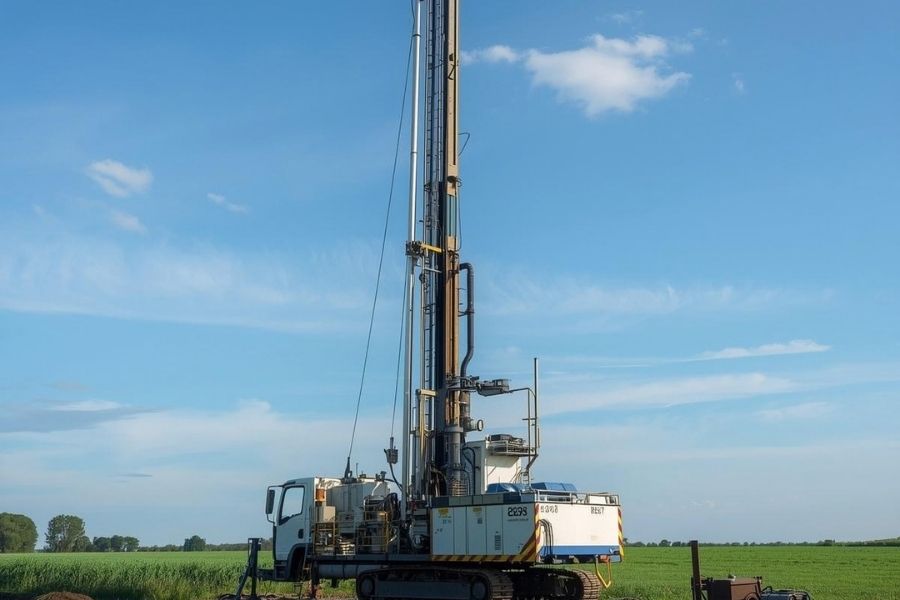
Drilling a borehole requires technical expertise and specialised equipment.
Professional drilling companies typically perform:
- geological surveys
- groundwater assessments
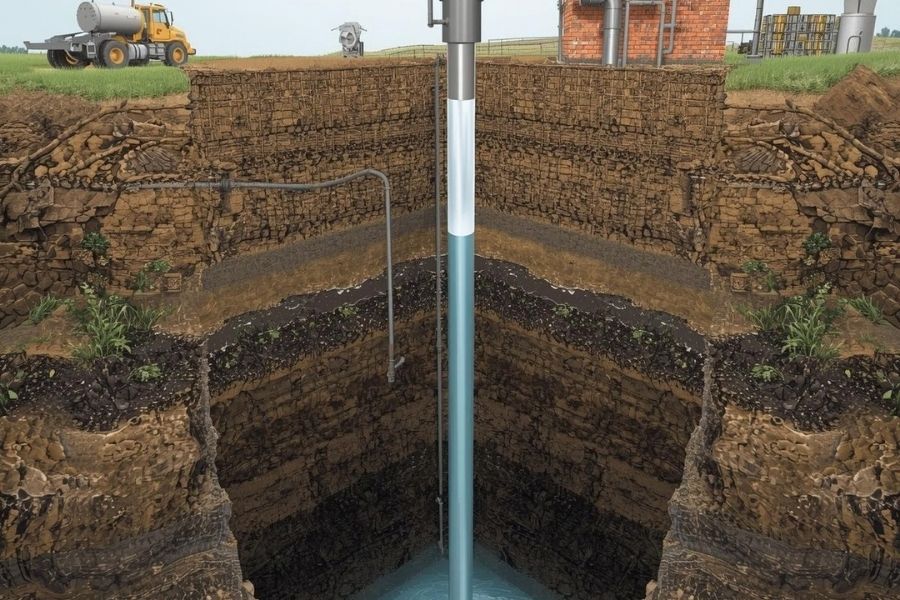
- proper casing installation
- pump installation
Hiring experienced professionals reduces risks such as:
- drilling in the wrong location
- low water yield
- borehole collapse
- groundwater contamination
Proper installation also improves borehole lifespan and reliability.
Frequently Asked Questions About Borehole Permits
Do I need council permission to drill a borehole?
In most cases, municipal permission is not required before drilling. However, some municipalities may require registration after installation.
Is borehole water legal in South Africa?
Yes. Homeowners are allowed to use borehole water for reasonable domestic purposes on their own property.
Can I sell borehole water?
Selling groundwater usually requires a water use licence from the Department of Water and Sanitation.
Do municipalities charge for borehole water?
Municipalities generally cannot charge for groundwater itself, but they may still charge sanitation or sewerage fees.
Do I need to register my borehole?
Some municipalities require borehole registration, particularly in large cities or drought-prone areas.
Always check local municipal regulations.
Final Thoughts
For most homeowners in South Africa, a permit is not required to drill a borehole for private residential use. However, regulations may apply if the groundwater is used for commercial activities, agriculture, or high-volume extraction.
In these cases, a water use licence may be required under the National Water Act 36 of 1998, administered by the Department of Water and Sanitation.
Before drilling, it’s always wise to check local municipal regulations and consult a professional borehole contractor.
With proper planning and responsible groundwater use, a borehole can provide a reliable and sustainable water supply for many years.