

If you are thinking about installing a borehole, one of the first questions you will probably ask is this: how much does a borehole cost in South Africa?
It is one of the most searched borehole questions for a reason. A borehole can give homeowners, farms, and businesses far greater water security, reduce dependence on municipal supply, and create long-term savings. But it is also a serious capital investment, and many property owners underestimate the real cost.
That is because the price of a borehole is not just the drilling quote.
The total cost can include drilling, casing, pump equipment, pipework, electrical setup, testing, filtration, storage, and installation labour. On one property, the final system may be fairly straightforward. On another, the cost can rise quickly because of depth, geology, water quality, or pump requirements.
In other words, there is no single flat price that applies everywhere in South Africa.
The goal of this guide is to give you a realistic cost picture. We will break down what a residential borehole usually costs, what affects the price, which hidden expenses homeowners often forget, and how to think about value rather than just the cheapest quote.
If you also want the deeper cost comparison against municipal supply, read borehole vs municipal water costs in South Africa after this guide.
Table of Contents
- Average borehole cost in South Africa
- What is included in the total cost
- Borehole drilling cost per meter
- What affects borehole price
- Additional and hidden costs to consider
- Borehole maintenance costs
- Is a borehole worth the cost?
- Tips for reducing installation costs
- Final thoughts
- FAQs
Average Borehole Cost in South Africa
For most residential properties, the typical total cost of installing a borehole in South Africa falls somewhere between R60,000 and R150,000.
That is a useful planning range, but it should not be treated as a guaranteed quote. Some simpler setups may come in below that range, while more complex installations can go well above it.
The final price depends on factors such as:
- how deep the drilling needs to go
- local geology and drilling difficulty
- whether casing is required
- pump size and installation depth
- electrical requirements
- whether the water needs filtration or treatment
- whether storage tanks and pressure systems are included
This is why two homeowners in the same province can receive very different quotes. One may strike usable water at a moderate depth with a simple domestic setup. Another may need deeper drilling, more casing, stronger pumping equipment, and extra treatment.
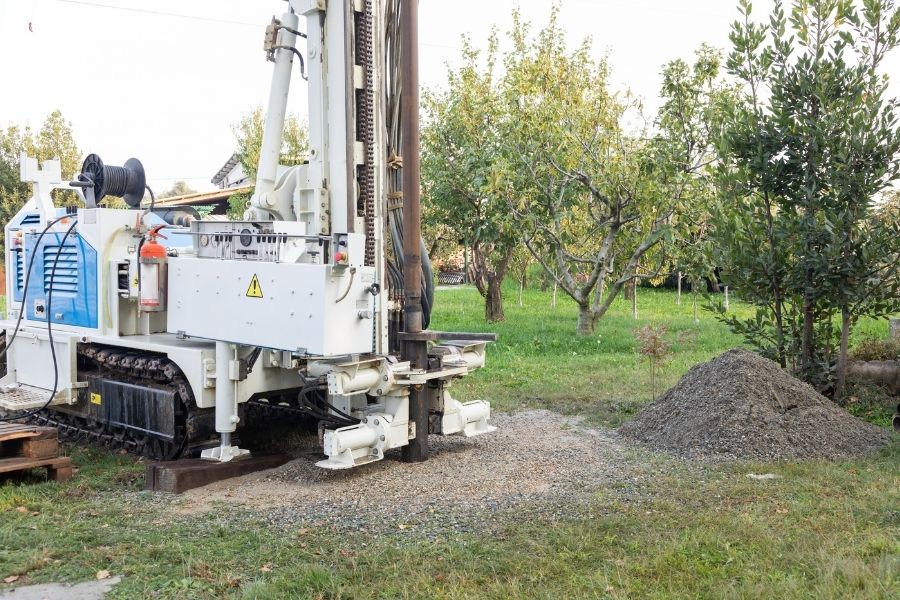
Typical residential cost breakdown
| Borehole Component | Estimated Cost Range |
|---|---|
| Borehole drilling | R20,000 – R60,000 |
| Casing and lining | R6,000 – R20,000 |
| Borehole pump | R6,000 – R25,000 |
| Pump installation | R5,000 – R15,000 |
| Electrical installation | R4,000 – R12,000 |
| Water testing | R1,500 – R4,000 |
| Filtration system (optional) | R5,000 – R20,000 |
The important thing to understand is that drilling is only one part of the project. Even after the hole has been drilled, you still need a working system that can extract, move, and in many cases store and treat the water.
What Is Included in the Total Cost
When homeowners ask for the cost of a borehole, they are often really asking about the total installed cost of a usable water system, not just the drilling invoice.
That distinction matters.
A drilling company may quote for drilling only, while another contractor may quote for a broader package that includes the pump and related installation. If you compare quotes without checking what is actually included, you can easily assume one company is cheaper when the scope is not the same.
A full domestic borehole project may include:
- site visit or preliminary assessment
- drilling to target depth
- casing or lining where needed
- yield assessment or testing
- submersible pump and fittings
- pipes and cabling
- electrical controls and protection
- connection to tanks or pressure systems
- water quality testing
- filtration if the water needs treatment
For that reason, the smartest question to ask any contractor is not only, “How much does it cost?” but also, “What exactly does this quote include, and what is excluded?”
If you want a deeper look at the bigger setup picture, also read the total cost of installing a borehole at home.
Borehole Drilling Cost Per Meter
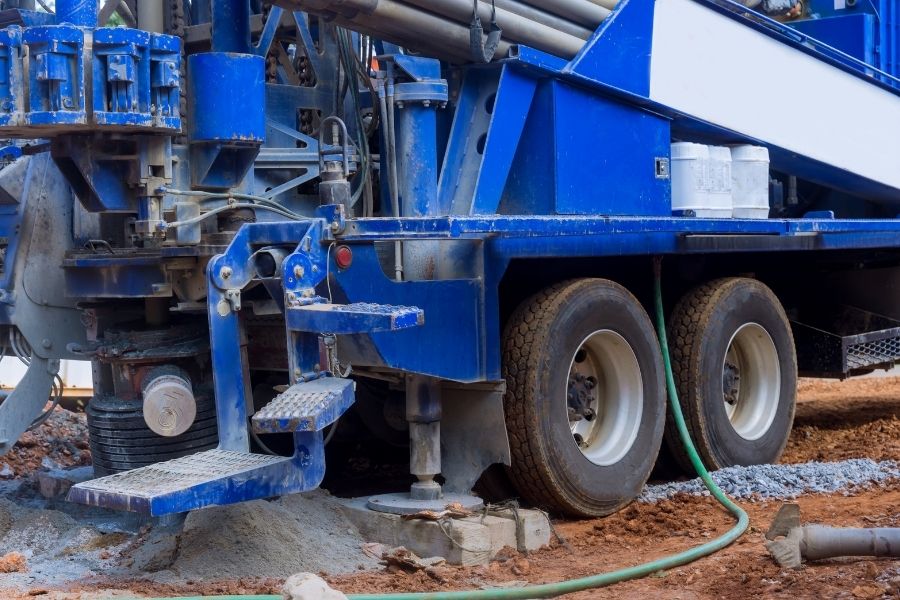
In South Africa, drilling is often priced per meter, especially when the final required depth is not known in advance.
A broad residential drilling range often falls between R500 and R1,500 per meter, depending on the contractor, equipment, location, and underground conditions.
That means drilling cost usually rises in proportion to depth, but the exact price per meter is not always fixed. Some drillers may quote a base rate plus extra charges for difficult conditions, casing, transport, or setup.
Example drilling estimates
| Borehole Depth | Estimated Drilling Cost |
|---|---|
| 40 meters | R20,000 – R40,000 |
| 60 meters | R30,000 – R60,000 |
| 80 meters | R40,000 – R80,000 |
| 100 meters | R50,000 – R100,000 |
These examples are useful for planning, but not every job scales perfectly in a straight line. Access conditions, rock hardness, casing requirements, and local drilling practices all affect the end result.
The deeper the borehole needs to go, the more likely the cost will rise because deeper drilling usually means:
- more labour time
- greater fuel use
- higher equipment wear
- more piping and cabling
- potentially stronger pump requirements
For a detailed standalone breakdown, you can also read how much borehole drilling costs per meter in South Africa.
What Affects Borehole Price
There are several reasons borehole prices vary so much from one property to another. Understanding these factors helps you budget more accurately and avoid unrealistic expectations.
1. Geological Conditions
Ground conditions play a major role in borehole cost. Some sites are simpler and quicker to drill. Others are slower, harder, and more expensive because of tough rock formations, unstable sections, or conditions that require additional casing.
Hard rock may require more time and stronger drilling effort. Softer or collapsing layers may be easier to penetrate but still add cost if lining is needed to keep the borehole stable.
2. Borehole Depth
Depth is one of the biggest cost drivers. In one area, groundwater may be reached at a relatively modest depth. In another, the driller may need to go much deeper before finding usable water.
Because depth affects drilling time, materials, and pump installation, it has a direct impact on the total project budget.
3. Borehole Casing
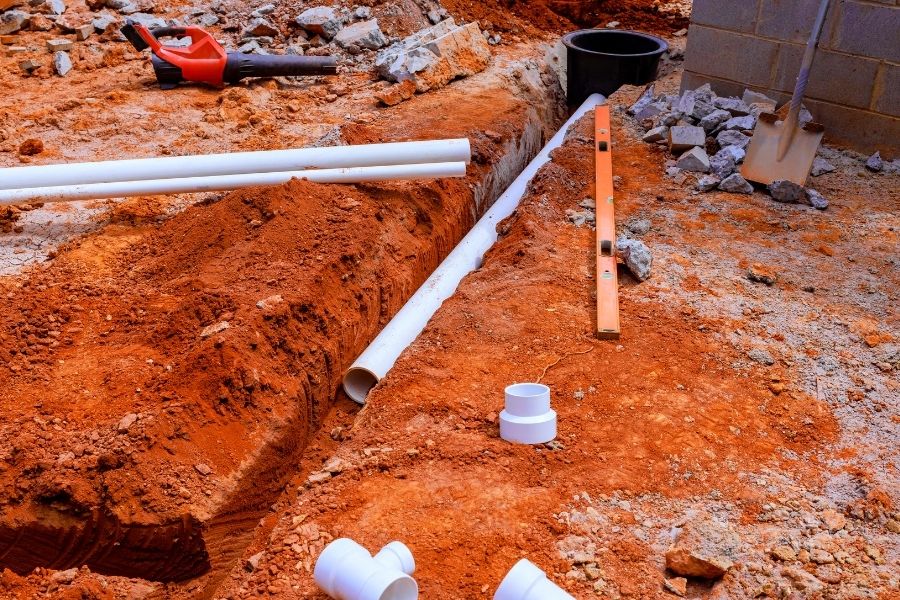
Casing helps protect the borehole walls and keep the structure stable. Not every meter drilled will necessarily need the same casing treatment, but where casing is required, it adds to cost.
A typical casing estimate often falls around R150 to R500 per meter, depending on the material and installation conditions.
Although casing adds cost, it is often essential. Cutting corners here can create major long-term problems.
4. Pump Size and Installation
Once usable water is found, the system still needs a pump to extract it. The most common residential option is a submersible pump installed down the borehole.
Pump cost depends on:
- water demand
- required pressure
- depth of installation
- system design
- brand and quality level
A typical residential pump may cost between R6,000 and R25,000, with additional installation cost on top.
5. Electrical Setup
A borehole pump needs reliable power and proper electrical protection. This may include wiring, circuit protection, control boxes, and installation by a qualified electrician.
Many homeowners forget to budget for this. Yet electrical work is a core part of turning a drilled hole into a functioning water supply.
6. Water Yield and Intended Use
The kind of system you need depends on what the borehole will be used for. A basic setup for garden irrigation may differ from a full domestic system supplying household water, storage tanks, and pressure equipment.
The more demanding the usage, the more capable and expensive the system may need to be.
Additional and Hidden Costs to Consider
This is where many homeowners get caught off guard.
They receive a drilling quote, assume they understand the total cost, and only later realise that several important items were not included.
Some of the most common extra or hidden costs include:
- water testing
- filtration or treatment
- storage tanks
- pressure pumps or boosters
- trenching and pipework
- electrical connection upgrades
- transport or call-out charges
- site access complications
- repairs or upgrades after first installation
Water Testing
Water quality testing is strongly recommended after drilling. Even if the borehole produces water, that does not automatically mean it is suitable for drinking without treatment.
A basic testing range may fall around R1,500 to R4,000, depending on the type of testing needed.
Filtration Systems
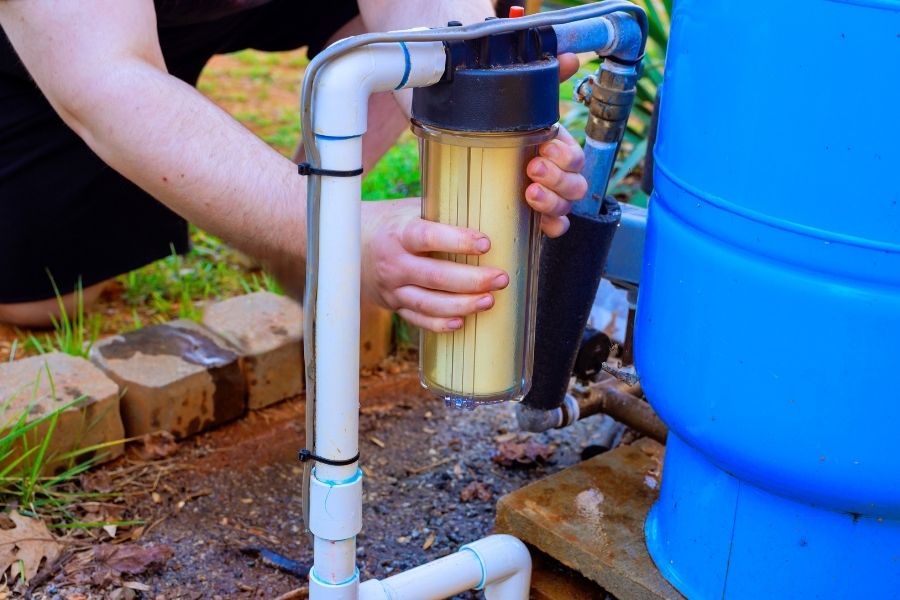
Some borehole water contains sediment, minerals, bacteria, or other quality issues that need treatment before practical use. Depending on the results, filtration can range from simple sediment filtering to more advanced systems.
A broad filtration range can fall between R5,000 and R20,000 or more, depending on complexity.
Storage and Pressure Systems
Some homes will also need storage tanks and pressure management to make the system work smoothly. This is especially relevant if the borehole is being integrated into a full home water supply setup rather than used only for outdoor watering.
This is one reason many homeowners should also read hidden costs of borehole drilling homeowners forget before committing to installation.
Borehole Maintenance Costs
A borehole is not a one-time expense that never needs attention again. Like any water infrastructure, it requires some ongoing care.
The good news is that annual maintenance is usually much lower than the initial capital cost. A typical broad maintenance range may fall between R1,000 and R5,000 per year, depending on the system and what needs servicing.
Common maintenance items include:
- pump servicing
- filter replacement
- water quality checks
- pressure system checks
- minor electrical or control maintenance
Major repairs are less frequent, but they can happen. Pump failure, worn components, electrical faults, or water quality changes can all create extra costs over time.
That is why maintenance should be viewed as part of the total ownership cost, not as an afterthought.
If you want the full servicing angle, this topic also ties naturally into the borehole maintenance checklist.
Is a Borehole Worth the Cost?
For many South African property owners, yes, a borehole can be worth the cost. But it depends on the property, the budget, and the intended use.
A borehole may be especially worthwhile if:
- municipal water costs are high
- water reliability is poor in your area
- you have a large garden or irrigation demand
- you plan to stay on the property long term
- the site has good groundwater potential
The benefits often include:
- reduced reliance on municipal supply
- greater water security
- potential long-term savings
- improved support for gardens, pools, or outdoor use
- possible property value appeal
Still, a borehole is not automatically the right decision for every property. If the water demand is low, the groundwater potential is uncertain, or the required setup is especially expensive, the financial case may be weaker.
That is why it helps to compare the investment against what you are currently spending on water. You can explore that angle in borehole vs municipal water costs in South Africa.
Tips for Reducing Installation Costs
While you should never cut corners on quality, there are smart ways to control your total cost.
Compare multiple quotes
Get several quotes from reputable drilling contractors so you can compare both pricing and scope. Do not assume the cheapest quote is the best value.
Understand what is included
Always ask whether the quote covers drilling only or a fuller system. Clarify exclusions before signing off.
Consider a geological or professional site assessment
Better borehole siting may improve the chances of success and help avoid wasted money on a poor drilling point.
Plan the full system properly
Choosing the correct pump, pressure, filtration, and storage design from the beginning can prevent expensive changes later.
Work with experienced contractors
Experienced drilling teams understand local conditions better and may help reduce costly mistakes.
If you are still at the early planning stage, it can also help to read signs your property has groundwater in South Africa before moving ahead.
Final Thoughts
So, how much does a borehole cost in South Africa in 2026?
For most residential properties, a realistic total project range is often around R60,000 to R150,000, but the true cost depends on far more than just drilling depth.
The final price is shaped by geology, depth, casing, pump equipment, electrical work, water quality, filtration needs, and how complete the final system needs to be. That is why one of the biggest mistakes homeowners make is focusing only on the drilling quote instead of the total installed cost.
A borehole is a major investment, but it can also be a powerful long-term asset. For the right property, it offers better water security, reduced dependence on municipal supply, and meaningful long-term value.
The smartest way to approach the decision is with realistic expectations, careful planning, and a full understanding of every cost involved from drilling to maintenance.
FAQs
How much does a borehole cost in South Africa?
For many residential properties, a broad total installation range often falls between R60,000 and R150,000, depending on drilling depth, equipment, and system requirements.
How much does borehole drilling cost per meter?
A broad drilling range often falls between R500 and R1,500 per meter, depending on the contractor and local drilling conditions.
What is the biggest factor affecting borehole cost?
Depth is one of the biggest cost drivers, but geology, casing, pump size, electrical setup, and water treatment can also significantly affect the final price.
Does the drilling quote include the whole system?
Not always. Some quotes cover drilling only, while others include pump installation and additional components. Always confirm what is included.
Can borehole water be used for drinking?
It can be, but the water should be tested first. Some borehole water may require filtration or treatment before drinking use.
How long does a borehole last?
A properly installed and maintained borehole can last for decades, although pumps and related components may need servicing or replacement over time.
Is a borehole worth it financially?
It can be, especially where municipal water is expensive, outdoor usage is high, and the property has good groundwater potential.

